Article · Methods
A research methods stack for quality B2B work
nixbux sequences interviews, observation, friction mapping, pattern analysis, and synthesis so teams learn without pretending small samples are national polls — even when QuickBooks appears in every finance transcript.
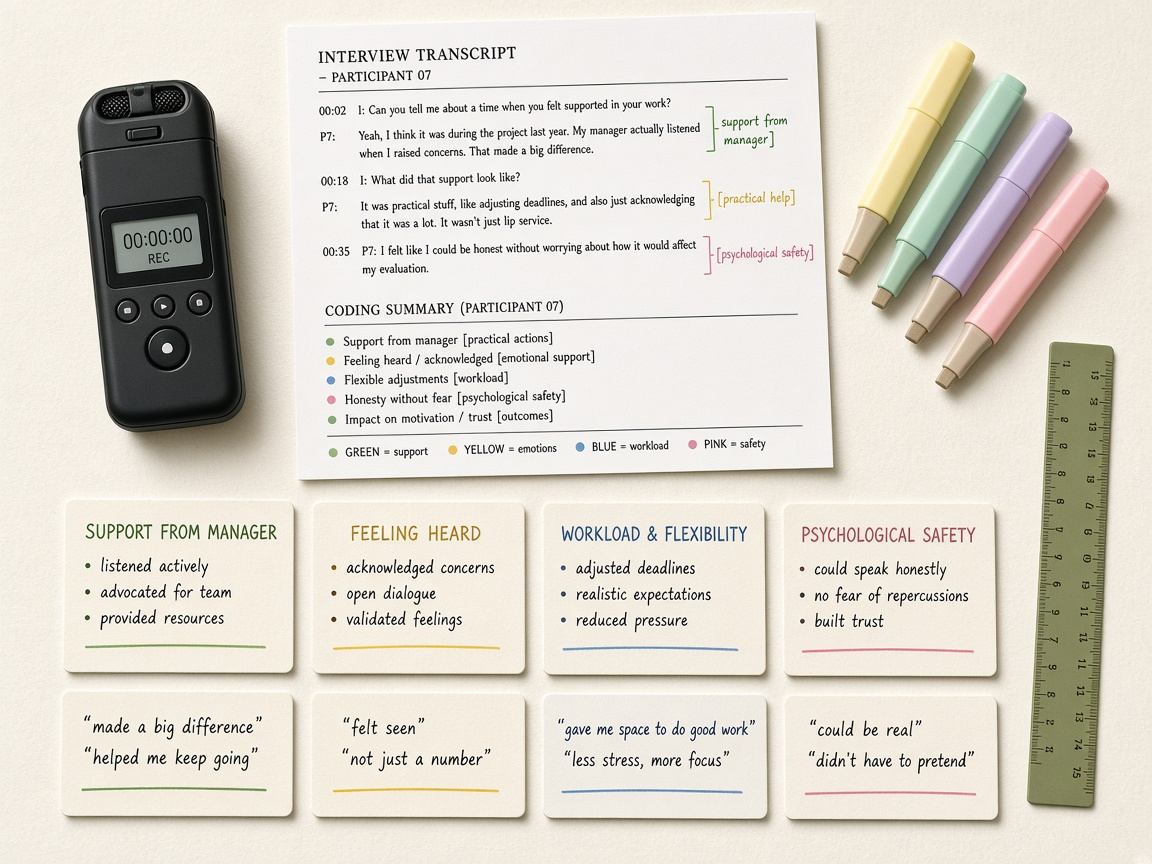
Method comparison
| Method | Best for | Common misuse |
|---|---|---|
| Interviews | Jobs, language, decision history | Leading questions; sales pitching |
| Observation | Contact-point reality | Tourism without follow-up |
| Friction map | Stall patterns across accounts | Blaming a single persona |
| Pattern analysis | Separating singles from clusters | Overclaiming prevalence |
| Synthesis | Honest claims for go-to-market | ROI guarantees from anecdotes |
Recommended sequence
- Clarify the decision you need to inform — messaging, packaging, or onboarding risk.
- Map decision roles with decision-maker research.
- Run depth interviews; listen for operational metaphors including QuickBooks workflows.
- Observe two or three high-stakes contact points.
- Cluster patterns; write a synthesis memo that states evidence limits.
Evidence posture
nixbux’s ethos is judgment under uncertainty. Small qualitative samples can illuminate mechanisms without representing a census. Say what you saw, how often it repeated in your set, and what remains unknown. Shared terms live in the glossary.
FAQ
Can we skip observation?
You can, but you will over-trust memory. Buyers reconstruct; contact points reveal.
How many interviews?
Enough for patterns to stabilize for your segment — often low teens for mid-market B2B — not a magic number for “significance.”
Where do we start reading?
Begin with customer interviews or return to the hub.
Go deeper on pattern discipline
Affinity clustering keeps synthesis honest.